
6 Strategies for Coping with Trauma as a Member of the LGBTQIA+ Community
Takeaway: If you’ve experienced trauma as an LGBTQIA+ person, you’re not alone, and you’re not broken. Healing is possible, and these compassionate, therapist-recommended strategies are here to help you move forward with pride, strength, and self-love.
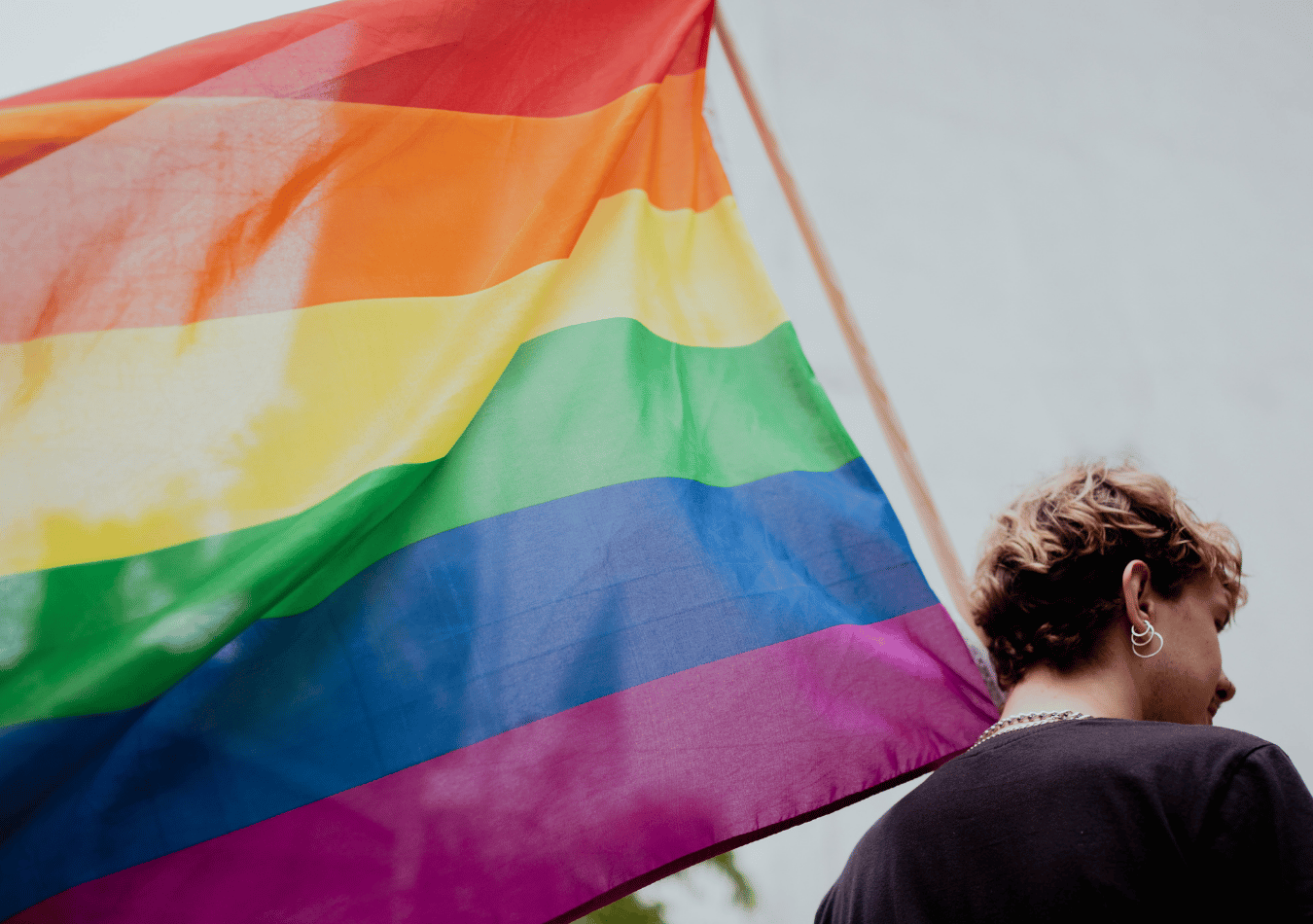
Feeling like you have to carry your pain alone can be one of the most isolating parts of being in the LGBTQ+ community, especially when the world hasn’t always felt safe to show who you are. As a psychotherapist who specializes in working with LGBTQIA+ individuals navigating identity, relationships, and healing, I’ve spent years helping clients reclaim a sense of safety and self-compassion after deeply painful experiences. I’m also a supervisor and graduate instructor, grounded in trauma-informed, psychodynamic, and mindfulness-based approaches.
Mental health challenges can deeply affect both individuals and the people around them. And how could we not struggle, given the collective trauma, legislation, violence, and hostility targeting LGBTQIA+ people in the past year alone? Whether you are continuing to explore your gender identity and/or sexual orientation or you feel ready to unpack trauma, my hope is to offer some skills (backed by research) that may help reduce symptoms, heal from violence, and prevent potentially traumatic events.
This blog was created for anyone wondering how to cope with trauma they’ve experienced as a member of the LGBTQIA+ community. LGBT+ health is often overlooked or downplayed when it comes to collective trauma, as well as in sexual violence, substance abuse, and domestic violence. One study shows that LGBTQIA+ folks often experience health disparities across the lifespan compared to the general population. Transgender and gender diverse people, unfortunately, continue to be targeted and frequently experience physical assault. According to the National School Climate Survey, 83.1% of LGBTQ+ students experienced some violence while in school. Although education and health care still have many pitfalls, organizations such as the Human Rights Campaign continue to advocate for the LGBTQ+ population, especially for transgender equality, as trans people of color are disproportionately targeted. Transgender and gender-expansive folks who are looking for faith communities often feel they have no place to go.
As sexual and gender minorities have continued to advocate for equality (especially in education, research, and health care), clinical psychology has expanded its own understanding of minority stressors and the impact of systemic racism, conversion therapy, and other forms of traumatic experiences on identity. The collective trauma the LGBTQIA+ community experiences has even reshaped our understanding of the word "trauma" in health care. Hopefully, this blog is a stepping stone toward the support you deserve.
My top tips for coping with LGBTQ trauma
Coping with traumatic stress as a member of the LGBTQIA+ community is an ongoing process, not a single moment of recovery. Healing often requires unlearning internalized fears, rebuilding safety, and reconnecting with parts of yourself that may have been pushed aside for survival, especially in the aftermath of family rejection, sexual abuse, or a history of violence among LGBTQ+ people.
I approach this work using the minority stress model as a framework, which recognizes the negative impact of discrimination and stigma on the mental health of sexual and gender minorities. The strategies below are designed to offer support, structure, and compassion as you navigate your mental health journey. Whether you’re beginning to process past wounds or looking for new tools to deepen your resilience, these tips may help if you're feeling low self-esteem, depression, anxiety, and other symptoms from traumatic experiences. These tips are not meant to be a "one size fits all," but skills that may help after psychological trauma, sexual assault, interpersonal violence, or other traumatic events.
1. Prioritize Safe and Affirming Relationships
How to do it:
Identify people (friends, partners, community groups, your own family, or chosen family) who consistently affirm your identity and treat you with respect. Practice sharing small pieces of your experience with these individuals to build deeper emotional trust. Consider joining LGBTQIA+ support spaces, whether in-person or online, where you can show up authentically without explanation or fear.How it helps:
Safety is a foundation of trauma healing. Affirming interpersonal relationships helps calm the nervous system, reduce hypervigilance, and provide emotional regulation through co-regulation. Being seen and accepted disrupts internalized homophobia or shame that often grows out of various stressors, such as familial rejection or discrimination.Therapist insight:
Many LGBTQIA+ folks have learned to scan for harm, so building trust can feel slow, intimidating, or even unattainable. This is normal. The goal isn’t to let everyone in, it’s to let the right people in. Even one deeply supportive relationship can shift your healing trajectory.
2. Reconnect with Your Body
How to do it:
Use grounding techniques such as slow breathing, body scans, or mindful movement like yoga or stretching. Start with just 3–5 minutes a day. Pay attention to sensations (warmth, tightness, heaviness) without judgment. If sitting still feels uncomfortable, incorporate sensory grounding, such as holding a warm mug, using aromatherapy, or try out textured objects (I particularly like therapy putty).How it helps:
Trauma (especially identity-based trauma) often creates a sense of disconnection from the body. Mindfulness helps rebuild trust in your physical sensations, reduces overwhelm by regulating your nervous system, and strengthens your ability to stay present during difficult emotions.Therapist insight:
If your body has felt like a battleground (due to dysphoria, discrimination, hypervigilance, or a history of violence), reconnecting with it can feel triggering. Go slowly. Choose practices that feel neutral or comforting, not forced. Mindfulness is not about being calm; it’s about being compassionate and gentle with anything that comes up.
3. Challenge and Reframe Internalized Stigma and Beliefs
How to do it:
Notice when your inner narrative reflects societal bias (thoughts like “I’m too much,” “I shouldn’t exist this way,” or “I brought this on myself”). Write these beliefs down and identify where they originally came from (family, religion, school, media, etc.). Then replace them with affirming truths such as “My identity is valid” or “The harm wasn’t my fault.”How it helps:
Internalized stigma can silently reinforce trauma, shaping your self-worth and relationships. Challenging these beliefs helps undo shame, increases self-compassion, and strengthens your sense of identity.Therapist insight:
Many clients assume these thoughts reflect personal failures rather than learned messages. Remember: you weren’t born doubting yourself; someone taught you to. Healing involves unlearning those messages and reclaiming beliefs that honor who you actually are.
4. Create a Self-Care Routine
How to do it:
Build small, consistent practices that support your mood and nervous system. This might include journaling, going on walks, creative expression, affirmations, lighting candles, or establishing bedtime rituals. Incorporate both soothing activities (calming) and strengthening ones (empowering), and schedule them with intention. Even a 10-minute routine counts!How it helps:
Trauma disrupts your sense of control. Regular self-care restores predictability and helps regulate emotional states. Doing this consciously influences your subconscious. So, over time, these routines will reinforce your sense of agency and that you are deserving of comfort and care.Therapist insight:
Self-care is sometimes dismissed as trivial, but for marginalized communities, it is an act of resistance. You are nurturing parts of yourself that were once ignored, shamed, or invalidated. Choose practices that feel like nourishment rather than obligation.
5. Set Boundaries with People, Media, and Spaces
How to do it:
Notice situations that consistently trigger stress, such as certain family members, anti-LGBTQ media, hostile workspaces, or online conversations. Limit or remove exposure where possible. Establish clear boundaries such as “I won’t discuss my identity with you,” “I need space,” or “I’m muting this account for my peace.”How it helps:
Boundaries help protect your emotional energy and prevent retraumatization. They reinforce your right to safety and autonomy, especially when society often challenges that right.Therapist insight:
Boundaries are not punishments; they are protective, and often help relationships thrive (though not necessarily their intention). Trauma may have taught you that it’s safer to stay silent or endure discomfort. Relearning that you’re allowed to protect yourself is a powerful and empowering part of healing.
6. Seek LGBTQIA+-Affirming Professional Support
How to do it:
Look for therapists, support groups, or healing practitioners who specialize in LGBTQIA+ mental health. Many directories list affirming providers. In therapy, share your experiences at your pace; a trauma-informed clinician will help you explore them without pressure.How it helps:
Affirming therapy provides tools for emotional regulation, trauma processing, and identity exploration in a safe, nonjudgmental environment. Having a professional who “gets it” reduces the burden of explaining or defending your experiences.Therapist insight:
You deserve a therapeutic space where your identity is understood as a strength rather than a problem to solve. Healing is easier when you don’t have to educate your provider or brace for microaggressions.
When to seek professional help
Even with strong coping skills, there may be times when healing from identity-based trauma feels overwhelming to navigate on your own. Therapy can offer structure, safety, and tools that support deeper emotional processing, especially when trauma has been layered with discrimination, rejection, or chronic stress. If you’re unsure whether it’s time to reach out for support, the signs below can help guide you.
You may benefit from working with a therapist if:
You’re experiencing persistent anxiety, fear, or hypervigilance that interferes with daily life.
Memories of past harm keep resurfacing, or feel difficult to manage on your own.
You notice increased shame, self-blame, or internalized stigma related to your identity.
Relationships, work, or social situations feel more overwhelming or triggering than usual.
You feel disconnected from yourself, your emotions, or your sense of identity.
You want a confidential space to explore your experiences without judgment.
Reaching out for professional help is an act of strength. A supportive, LGBTQIA+-affirming therapist can walk with you through the healing process, at your pace and with deep respect for your lived experience. Whether you choose to work with a licensed therapist, social worker, or other medical provider, affirming care can be transformational in your healing.
Final thoughts
Healing from trauma as a member of the LGBTQIA+ community is not a linear journey. It’s a process of reclaiming safety, reconnecting with yourself, and unlearning harmful messages. We explored strategies like building affirming relationships, practicing mindfulness, challenging internalized stigma, setting boundaries, and cultivating consistent self-care. We also looked at signs that an extra step, such as seeking professional support, may be especially helpful.
Therapy can provide a steady, compassionate space to process painful experiences, gain practical tools, and strengthen your sense of identity and resilience. If you’re seeking a therapist who understands both trauma and the nuanced experiences of the LGBTQIA+ community, I bring a trauma-informed, psychodynamic, and mindfulness-based approach shaped by years of clinical experience, supervision, and teaching. I’d be honored to support you as you continue your healing journey.